Astound Spark Private Limited

Blog

Your blog category

Blog

Cold Storage For Plantation And Horticulture Produce

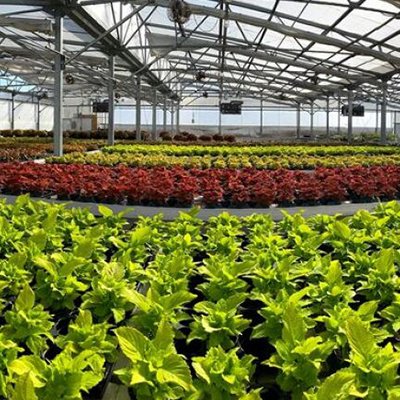
Introduction Drip irrigation, also known as "trickle" irrigation, is the latest method of water management. Under this system, water is carried to the plant under low pressure, through small diameter plastic pipes and delivered at the root zone, drop by drop through drippers. Drip irrigation is widely practiced and established method of irrigation in developed countries and is slowly gaining popularity in India. It is most suited for horticulture crops, vegetables etc. and finds applicability in hard rock areas where groundwater is scarce and helps in optimization of the limited water resources. The system has its advantages and limitations. Its advantages are in terms of savings of water (50-60%) of that required for flow irrigation, effective use of fertilizers, less labour and energy cost. The limitation for adopting of this method is its high initial cost which is beyond the purchasing capacity of small and marginal farmers and thus mainly adopted by large farmers.
Blog

Dairy Farming For Small Farmer

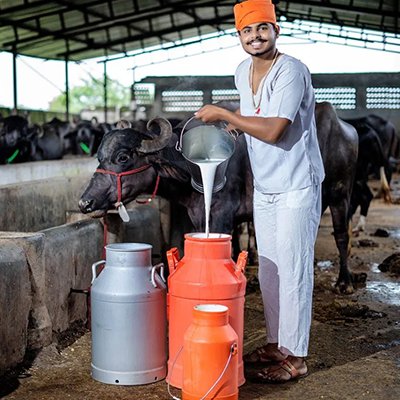
Why do Dairy Farming? Dairying is an important source of subsidiary income to small/marginal farmers and agricultural labourers. The manure from animals provides a good source of organic matter for improving soil fertility and crop yields. The gober gas from the dung is used as fuel for domestic purposes as also for running engines for drawing water from well. The surplus fodder and agricultural by-products are gainfully utilized for feeding the animals. Almost all draught power for farm operations and transportation is supplied by bullocks. Since agriculture is mostly seasonal, there is a possibility of finding employment throughout the year for many persons through dairy farming. Thus, dairy also provides employment throughout the year. The main beneficiaries of dairy programmes are small/marginal farmers and landless  labourers. A farmer can earn a gross surplus of about Rs. 12,000 per year from a unit consisting of 2 milking buffaloes. The capital investment required for purchase of 2 buffaloes is Rs. 18,223/-. Even after paying a sum of Rs. 4294/- per annum towards repayment of the loan and interest the farmer can earn a net surplus of Rs. 6000 – 9000/- approximately per year. (For details see model scheme enclosed). Even more profits can be earned depending upon the breed of animal, managerial skills and marketing potential.

Blog

Composite Fish Culture

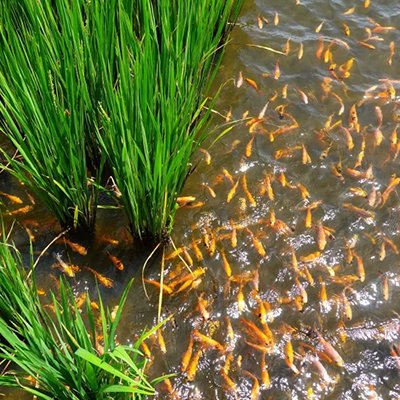
Introduction Fish is the cheapest and most easily digestible animal protein and was obtained from natural sources from time immemorial for consumption by human beings. However, due to over exploitation and pollution, the availability of fish in natural waters have declined considerably forcing scientists to adopt various methods to increase its production. Fish farming in controlled or under artificial conditions has become the easier way of increasing the fish production and its availability for consumption. Farmers can easily take up fish culture in village ponds, tanks or any new water body and can improve their financial position substantially. It also creates gainful employment for skilled and unskilled youths. The technology developed for fish culture in which more than one type of compatible fishes are cultured simultaneous is the most advanced and popular in the country. This technology is known as Composite Fish Culture. This technology enables to get maximum fish production from a pond or a tank through utilization of available fish food organisms in all the natural niches, supplemented by artificial feeding. Any perennial fresh water pond/tank retaining water depth of 2 metres can be used for fish culture purpose. However, the minimum level should not fall below one metre.Even seasonal ponds can also be utilised for short duration fish culture.

Blog

Coconut Cultivation

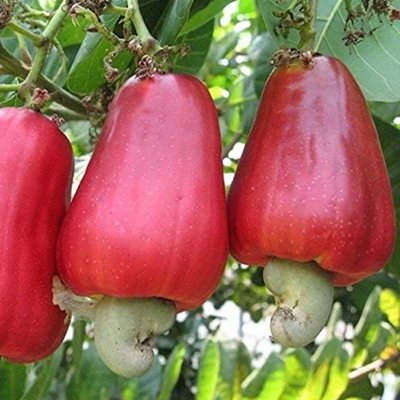
Introduction Cashew (Anacardium occidentale), a native of Brazil, was introduced in India during the later half of the 16th Century for the purpose of afforestation and soil conservation. From its humble beginning as a crop intended to check soil erosion, cashew has emerged as a major foreign exchange earner next only to tea and coffee. Cashew Kernel which is highly delicious, has become a much sought after produce. Among various nuts such as hazelnuts, almonds, etc., cashew nut enjoys an unenviable position and it is an unavoidable snack in all important social functions specially in the western countries.

Blog

Cashew Cultivation

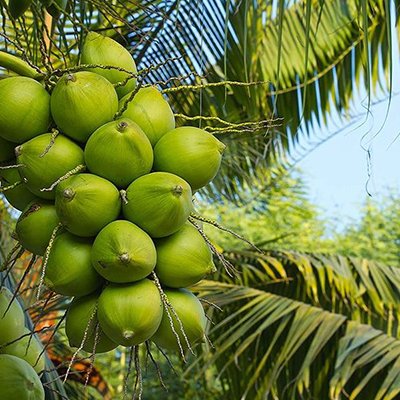
Introduction Coconut (Cocos nucifera) plays a significant role in the agrarian economy of India. Apart from the importance of copra and coconut oil which is widely used in the manufacture of soaps, hair oil, cosmetics and other industrial products, the husk is a source of fibre which supports a sizable coir industry. The tender nut supplies coconut water, a popular thirst quencher of health and hygienic value. Distribution Coconut is grown in more than 80 countries of the world with a total production of 49 billion nuts. India occupies a predominant position in respect of production of coconut in the world. The shares of coconut growing countries in production are: Indonesia (25.7%), Philippines (23.2%), India (23%), Sri Lanka (4.4%), others (13.7%) and other APCC countries (10%). The productivity of the crop is the highest in India with 7572 nuts/ha.

Blog

Bulk Milk Cooling Units

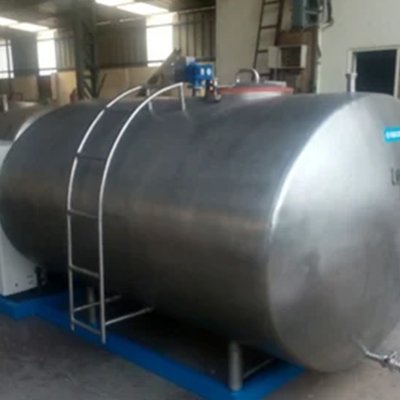
Introduction The Indian dairy industry is contributing significantly to the country's economy, besides improving the health standard by increasing the nutritional value of the food. India occupies first position in the world having a total bovine population of 288 million compared to the world's total bovine population of 1420 million. As per 1992 livestock census, the country has about 62.90 million breedable cows and 42.46 million breedable buffaloes. There has been a major improvement in milk production which increased from 17 million tones in 1951 to 74.7 million tonnes during 1998-99 and the growth was maximum between 1980 and 1990. Uttar Pradesh, Punjab, Madhya Pradesh, Rajasthan, Maharashtra, Gujarat, Andhra Pradesh, Haryana, Tamil Nadu and Bihar contributed to the extent of 85 percent of the total milk production in the country. Today, India is number one producer of milk in the world. The present per capita availability of milk is 212 gms as against the ICMR recommendation of 250 gms.

Blog

Biofertiliser Units

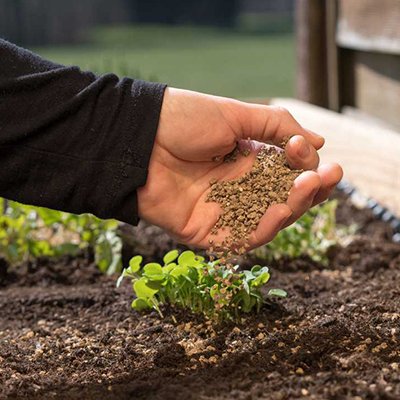
Introduction Sustainable crop production depends much on good soil health. Soil health maintenance warrants optimum combination of organic and inorganic components of the soil. Repeated use of chemical fertilizers destroys soil biota. In nature, there are a number of useful soil micro organisms which can help plants to absorb nutrients. Their utility can be enhanced with human intervention by selecting efficient organisms, culturing them and adding them to soils directly or through seeds. The cultured micro organisms packed in some carrier material for easy application in the field are called bio-fertilizers.

Blog

Casuarina : A Tree For Wasteland Development

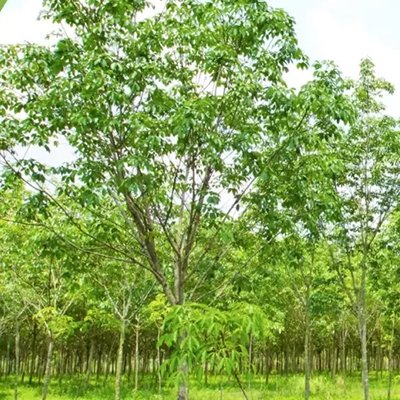
Introduction Casuarina equisetifolia is the most popular farmforestry tree in the coastal lands of Andhra pradesh, Orissa, Tamilnadu, West Bengal, Maharashtra, Gujarat & Karnataka. Casuarina resembles feathery conifer in general appearance. Almost all of the approximately 35 casuarina species produce top-quality firewood. They are rapid-growing, carefree species for sites and climates as varied as coastal sand dunes, high mountain slopes, the hot humid tropics and semi-arid regions. They tend to be salt tolerant, wind resistant and adaptable to moderately poor soils. Although they are not legumes, they do have the ability to form root nodules and fix atmospheric nitrogen. Casuarina equisetifolia can attain heights of 50 m with diameter of around 1 metre. However, it is generally only 15 – 25 metres tall.Bio-fertilizers are living microorganisms of bacterial, fungal and algal origin. Their mode of action differs and can be applied alone or in combination. By systematic research, efficient strains are identified to suit to given soil and climatic conditions. Such strains have to be mass multiplied in laboratory and distributed to farmers. They are packed in carrier materials like peat, lignite powder in such a way that they will have sufficient shelf life. The list of commonly produced bio-fertilizers in our country is given in Annexure1.

Blog

Establishment Of Bio Pesticide Units

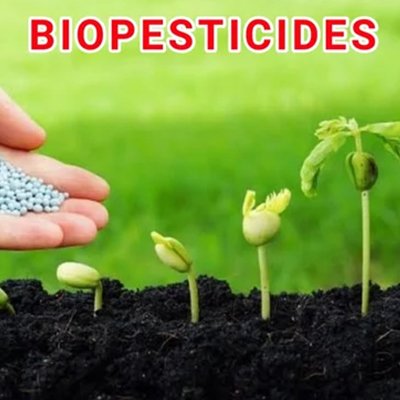
Introduction Pest problem is one of the major constraints for achieving higher production in agriculture crops. India loses about 30% of its crops due to pests and diseases each year. The damage due to these is estimated to be Rs.60,000 crores annually. The use of pesticides in crop protection has certainly contributed for minimising yield losses. The pesticides, which are needed to be applied carefully, only when the threshold limits of the pest population is exceeded. However, quite often the indiscriminate and unscientific use of pesticides has led to many problems, such as pests developing resistance, resurgence of once minor pest into a major problem besides environmental and food safety hazards.

Blog

Automatic Milk Collection Stations

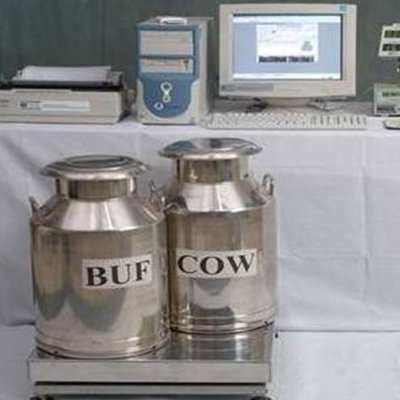
Introduction The Indian dairy industry is contributing significantly to the country's economy, besides improving the health standard by increasing the nutritional value of the food. India occupies first position in the world having a total bovine population of 288 million compared to the world's total bovine population of 1420 million. As per 1992 livestock census, the country has about 62.90 million breedable cows and 42.46 million breedable buffaloes. There has been a major improvement in milk production which increased from 17 million tones in 1951 to 74.7 million tonnes during 1998-99 and the growth was maximum between 1980 and 1990. Uttar Pradesh, Punjab, Madhya Pradesh, Rajasthan, Maharashtra, Gujarat, Andhra Pradesh, Haryana, Tamil Nadu and Bihar contributed to the extent of 85 percent of the total milk production in the country. Today, India is number one producer of milk in the world. The present per capita availability of milk is 212 gms as against the ICMR recommendation of 250 gms.

Select your currency
USD United States (US) dollar
Scroll to Top