Astound Spark Private Limited

Author name: peerinfotech09

Blog

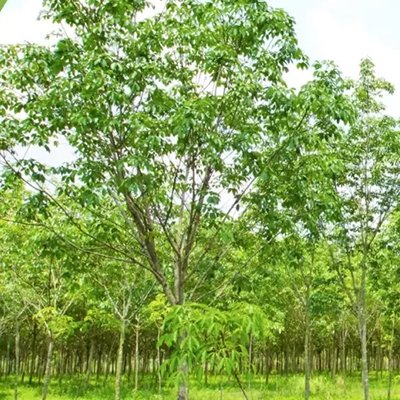
Casuarina : A Tree For Wasteland Development

Introduction Casuarina equisetifolia is the most popular farmforestry tree in the coastal lands of Andhra pradesh, Orissa, Tamilnadu, West Bengal, Maharashtra, Gujarat & Karnataka. Casuarina resembles feathery conifer in general appearance. Almost all of the approximately 35 casuarina species produce top-quality firewood. They are rapid-growing, carefree species for sites and climates as varied as coastal sand dunes, high mountain slopes, the hot humid tropics and semi-arid regions. They tend to be salt tolerant, wind resistant and adaptable to moderately poor soils. Although they are not legumes, they do have the ability to form root nodules and fix atmospheric nitrogen. Casuarina equisetifolia can attain heights of 50 m with diameter of around 1 metre. However, it is generally only 15 – 25 metres tall.Bio-fertilizers are living microorganisms of bacterial, fungal and algal origin. Their mode of action differs and can be applied alone or in combination. By systematic research, efficient strains are identified to suit to given soil and climatic conditions. Such strains have to be mass multiplied in laboratory and distributed to farmers. They are packed in carrier materials like peat, lignite powder in such a way that they will have sufficient shelf life. The list of commonly produced bio-fertilizers in our country is given in Annexure1.
Blog

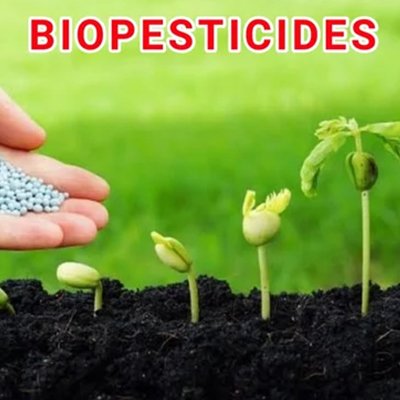
Establishment Of Bio Pesticide Units

Introduction Pest problem is one of the major constraints for achieving higher production in agriculture crops. India loses about 30% of its crops due to pests and diseases each year. The damage due to these is estimated to be Rs.60,000 crores annually. The use of pesticides in crop protection has certainly contributed for minimising yield losses. The pesticides, which are needed to be applied carefully, only when the threshold limits of the pest population is exceeded. However, quite often the indiscriminate and unscientific use of pesticides has led to many problems, such as pests developing resistance, resurgence of once minor pest into a major problem besides environmental and food safety hazards.

Blog

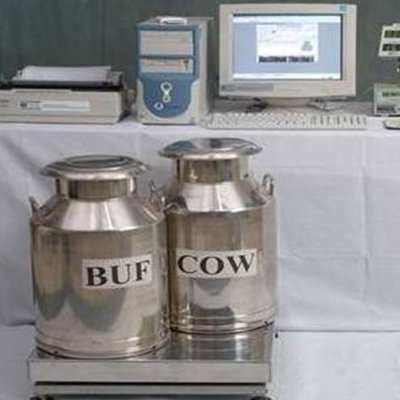
Automatic Milk Collection Stations

Introduction The Indian dairy industry is contributing significantly to the country's economy, besides improving the health standard by increasing the nutritional value of the food. India occupies first position in the world having a total bovine population of 288 million compared to the world's total bovine population of 1420 million. As per 1992 livestock census, the country has about 62.90 million breedable cows and 42.46 million breedable buffaloes. There has been a major improvement in milk production which increased from 17 million tones in 1951 to 74.7 million tonnes during 1998-99 and the growth was maximum between 1980 and 1990. Uttar Pradesh, Punjab, Madhya Pradesh, Rajasthan, Maharashtra, Gujarat, Andhra Pradesh, Haryana, Tamil Nadu and Bihar contributed to the extent of 85 percent of the total milk production in the country. Today, India is number one producer of milk in the world. The present per capita availability of milk is 212 gms as against the ICMR recommendation of 250 gms.

Blog

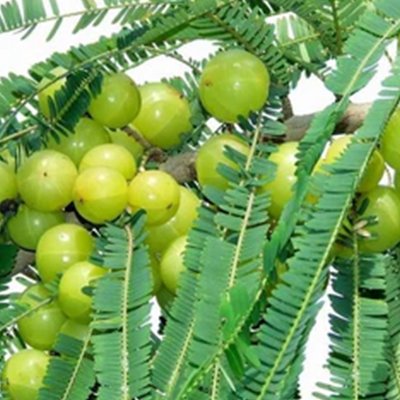
Aonla Cultivation

Introduction The aonla fruit (the Indian gooseberry) (Emblica officinalis G.) is one of the richest sources of Vitamin C. It contains 500 to 700 mg of ascorbic acid per 100 g of pulp. This is much more than the vitamin C content of guava, tomato or citrus fruits.Aonla is an ancient fruit of Indian origin, which is associated with our tradition, culture and heritage. The fruit is also closely connected with Indian system of medicine, as it is used as an ingredient in more than 175 formulations of Ayurveda. It is an important ingredient of Triphala and Chavanprash in ayurvedic medicine system. Fruits are commonly used for preserve (murabbas), pickles, candy, jelly, jam etc.It is a great health and vitality restorer. The fruit is useful in haemorrhages, diarrhoea, dysentry, anemia, jaundice, dyspepsia and cough.

Blog

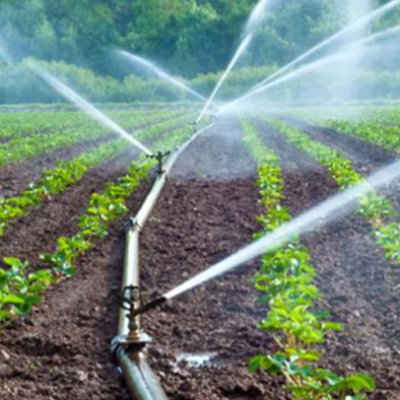
Selection And Financing Of Agricultural Pumpsets

Introduction The necessity of having simple field oriented guidelines for selection of proper agricultural pumpset and its accessories arises out of the fact that studies so far conducted by various agencies in the country indicate that even at present majority of pumpsets are improperly selected, incorrectly installed and have deficiencies in selection of not only the major components of a pumpset namely, pump and motor but also in selecting proper size of suction and delivery pipes and foot valve. Studies have indicated that a farmer can save over his present expenses for pumpset operation if his pumping system is properly selected compared to an improper selection and installation. Such correct selection would not only salvage the farmer from his avoidable yearly financial loss but would also save the nation power by way of savings in diesel oil consumption and electric power input to the large number of pumpsets used in agricultural operations.

Blog

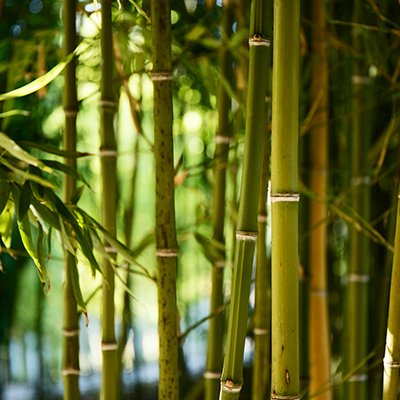
Bamboo For Integrated Rural Development

Introduction Diminishing resources and availability of forest wood and conservation concerns have highlighted the need to identify substitutes for traditional timbers. It is in this context bamboo assumes special significance.Bamboo is a versatile, strong, renewable and environment-friendly material. It is a member of the grass family, Gramineae and the fastest growing woody plant on earth. Most bamboo species produce mature fiber in 3 years, sooner than any tree species. Some bamboos grow up to 1 meter a day, with many reaching Culm lengths of 25 meters or more. Bamboo can be grown quickly and easily, and sustainably harvested in 3 to 5 years cycles. It grows on marginal and degraded land, elevated ground, along field bunds and river banks. It adapts to most climatic conditions and soil types, acting as a soil stabilizer, an effective carbon sink and helping to counter the greenhouse effect.

Select your currency
USD United States (US) dollar
Scroll to Top